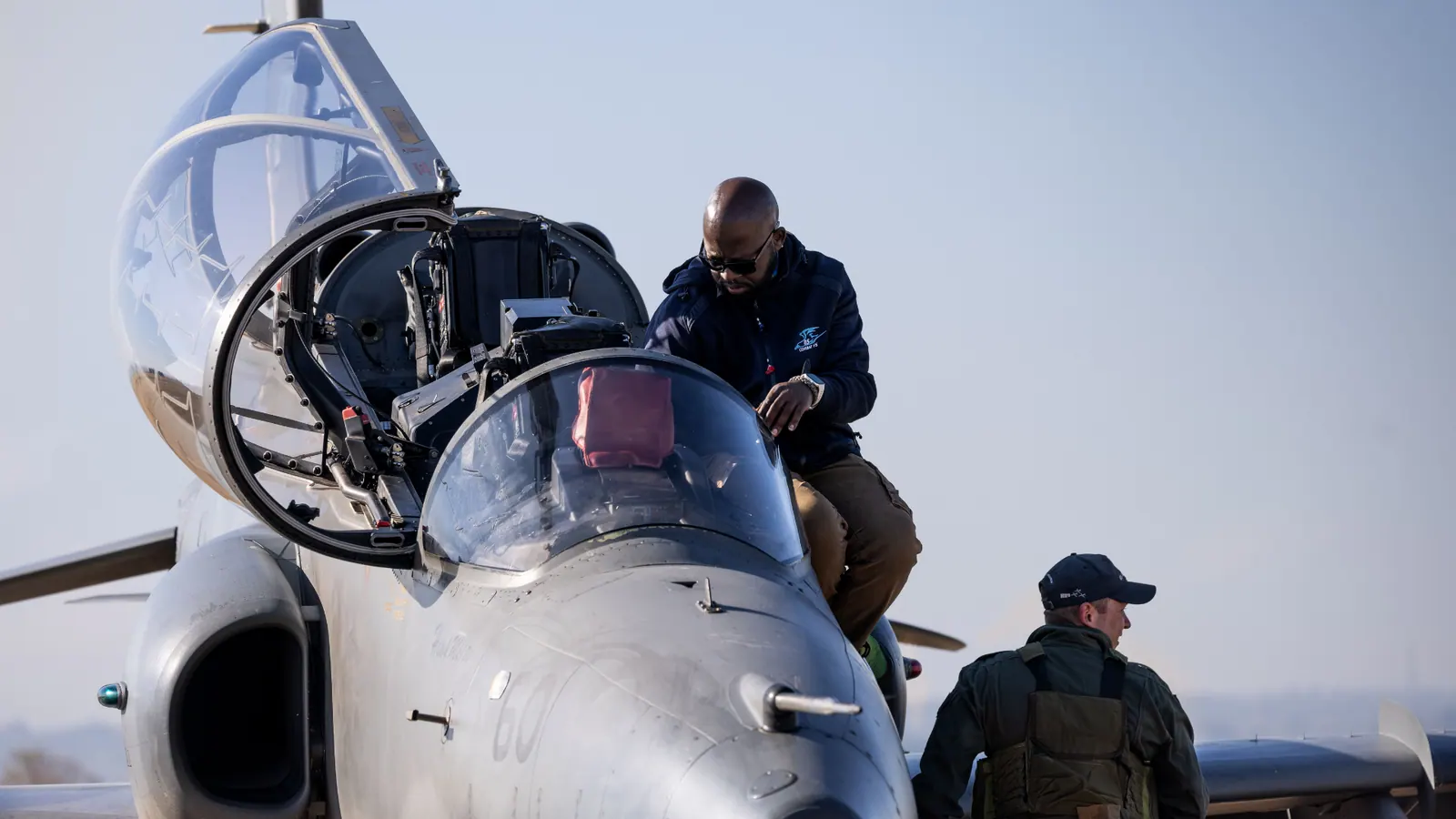
What a pilot does before making a decision under pressure
In high-demand aviation environments, breathing is trained like any other technical procedure, not left to improvisation, because the goal is very specific: keep access to clear thinking when the body wants to panic.
The logic is simple and applies just as well to a boardroom as to a cockpit: under extreme pressure, the body prioritizes fast reaction over fine analysis. Without a protocol that interrupts that reaction, you decide from survival instinct, not from judgment.
Why pressure reduces your ability to decide well
When cortisol and adrenaline spike, blood flow redirects toward immediate-reaction systems and away from the prefrontal cortex, the part of the brain responsible for strategic thinking, risk assessment, and long-term judgment.
There's a concrete physiological explanation for why holding your breath helps: as you hold, blood CO₂ rises, triggering a cardioinhibitory response that lowers heart rate and activates the parasympathetic nervous system, the body's natural brake. It's a concrete way of regaining access to the part of the brain you need to decide well, more than a generic relaxation technique.
The 90-second protocol
- 0–20 seconds: exhale completely, emptying your lungs, then inhale slowly through your nose for a count of 4
- 20–60 seconds: continue with cycles of 4-count inhale / 6-count exhale through your nose, with no forced pauses
- 60–90 seconds: in the last stretch, name in a short sentence what decision is in front of you, out loud or mentally
That last step isn't decorative: naming the decision directly activates the prefrontal cortex and reduces reactivity in the amygdala, the brain's alarm center.
What the evidence says, not just military tradition
A laboratory study compared tactical breathing to prolonged exhalation under real time pressure: participants solved timed cognitive tasks while exposed to increasing acoustic distraction, to measure each technique's effect on performance under stress.
And in the field, with first responders, the difference has shown up in real outcomes: those trained in tactical breathing recorded a 15% higher success rate in critical procedures under pressure, compared to those who didn't practice it.
When to use it beyond the cockpit
Before replying to an email that upset you. Before walking into a difficult negotiation. Before delivering hard news to your team. Before responding in the middle of an argument. Any moment where the urge to react outweighs your clarity to decide is a good moment for this protocol.
FAQ
Does it really work in 90 real seconds, or is that an exaggeration?
The initial effect on heart rate and nervous system activation happens within that window. It doesn't solve the underlying problem, but it does restore your capacity to think more clearly before acting.
What if I don't even have 90 seconds?
Even 3 slow, complete breaths, about 20 seconds, produce a measurable reduction in immediate activation. It's not the full protocol, but it's better than reacting with no filter at all.